Ancient Roots & Colonial Rule
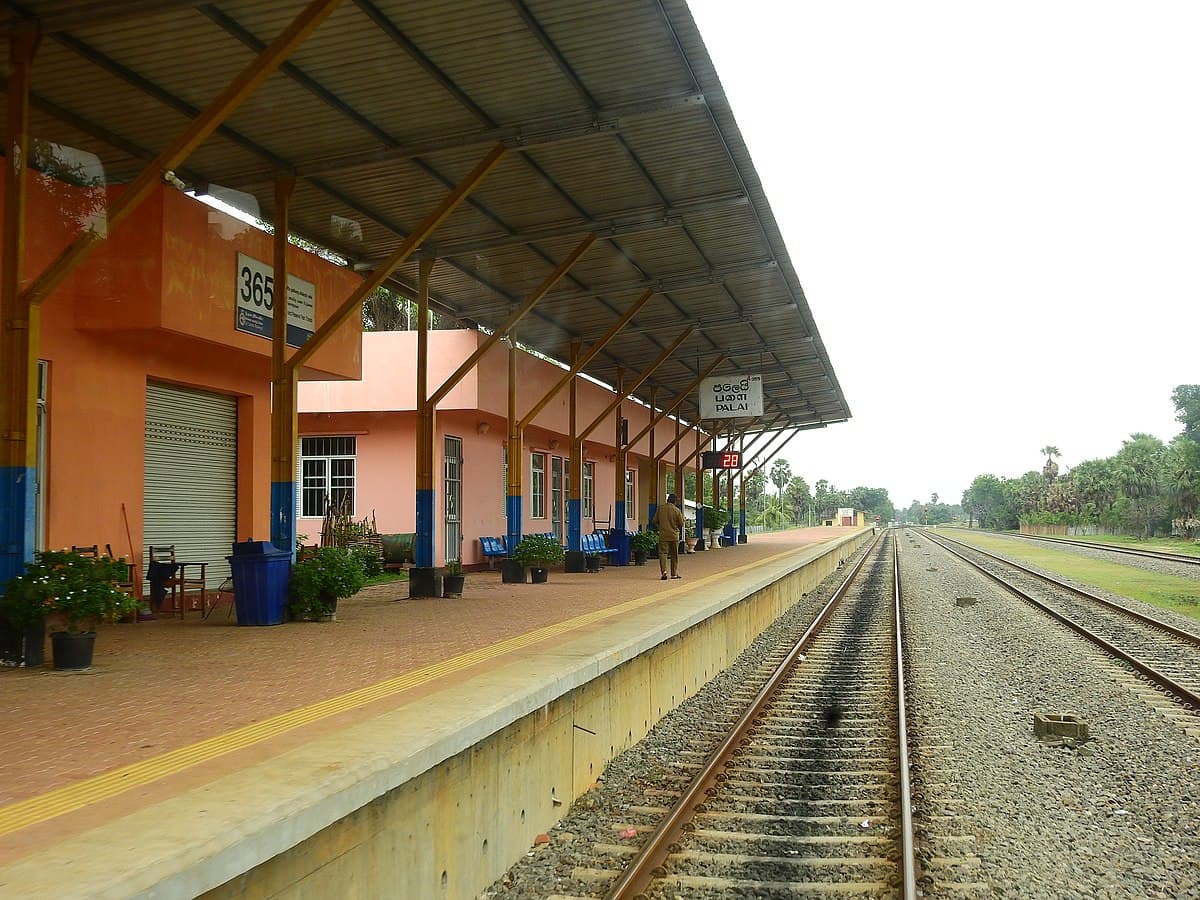
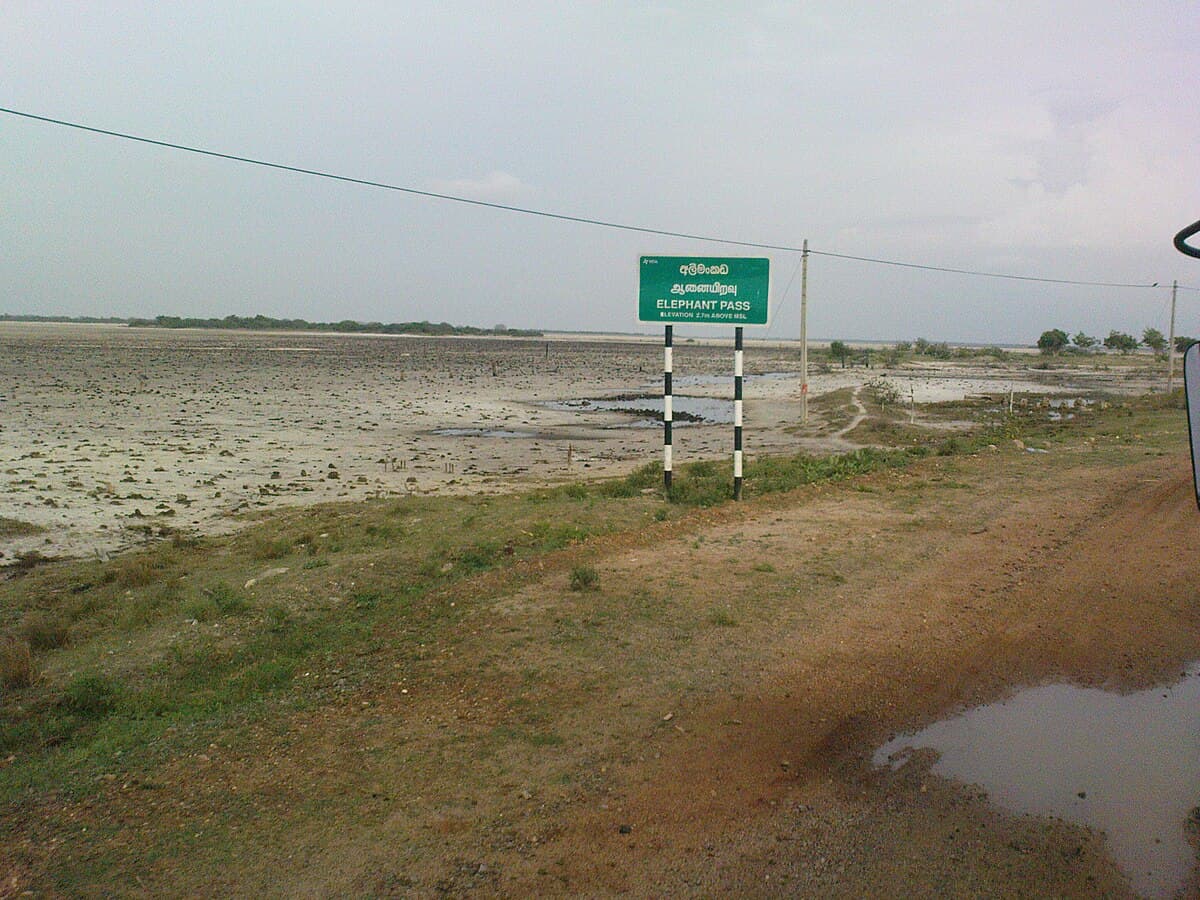
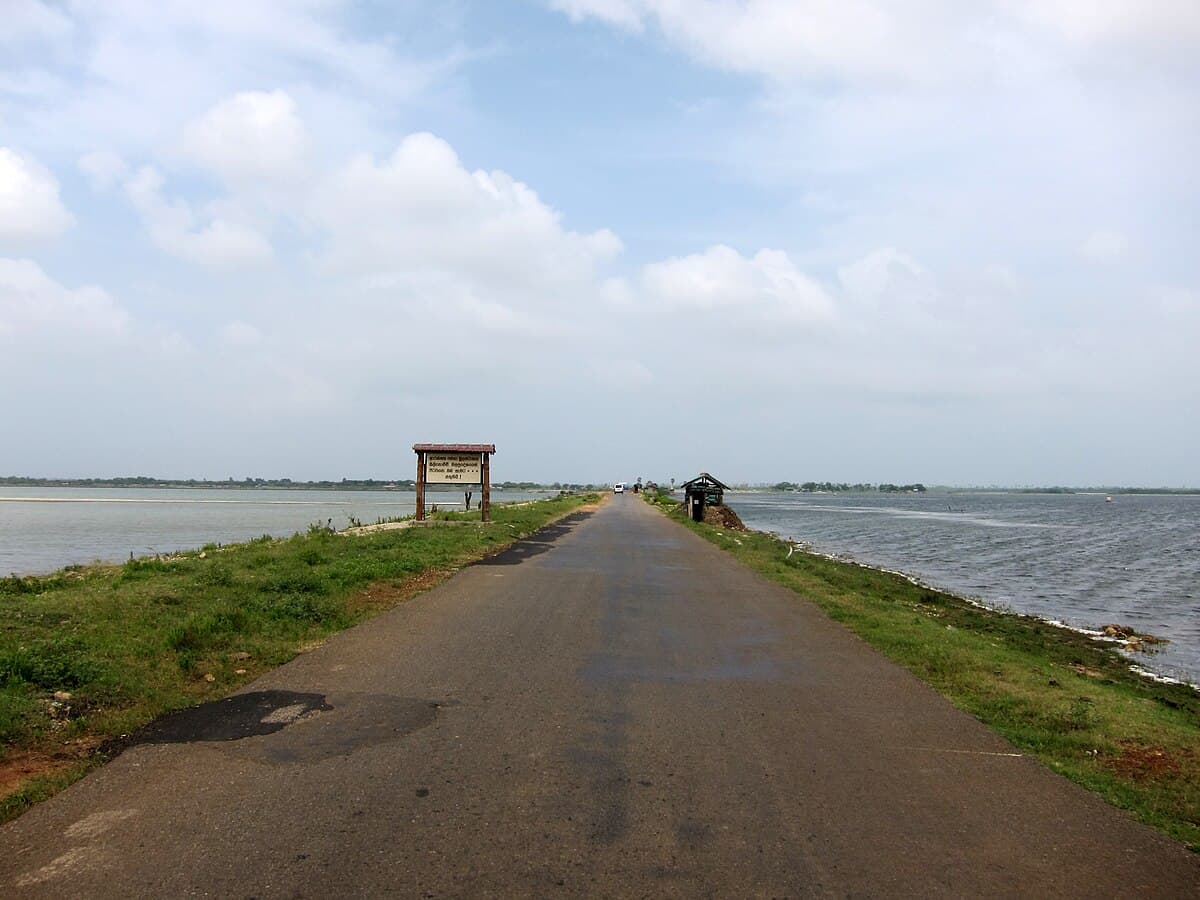
Pachchilaipalli lies in the historically Tamil-speaking Vanni region of northern Sri Lanka, with settlement stretching back centuries. The area encompasses Elephant Pass — the narrow causeway connecting the Jaffna Peninsula to the mainland — which made it strategically important through every era of colonial rule.
During Portuguese rule (16th–17th century), a fort was built at Elephant Pass and schools and churches were established in the Pulopallai area. The Dutch rebuilt the fort in 1776 and held annual elephant sales — elephants from the Vanni were driven through the narrow pass to Jaffna for export, giving Elephant Pass its name.
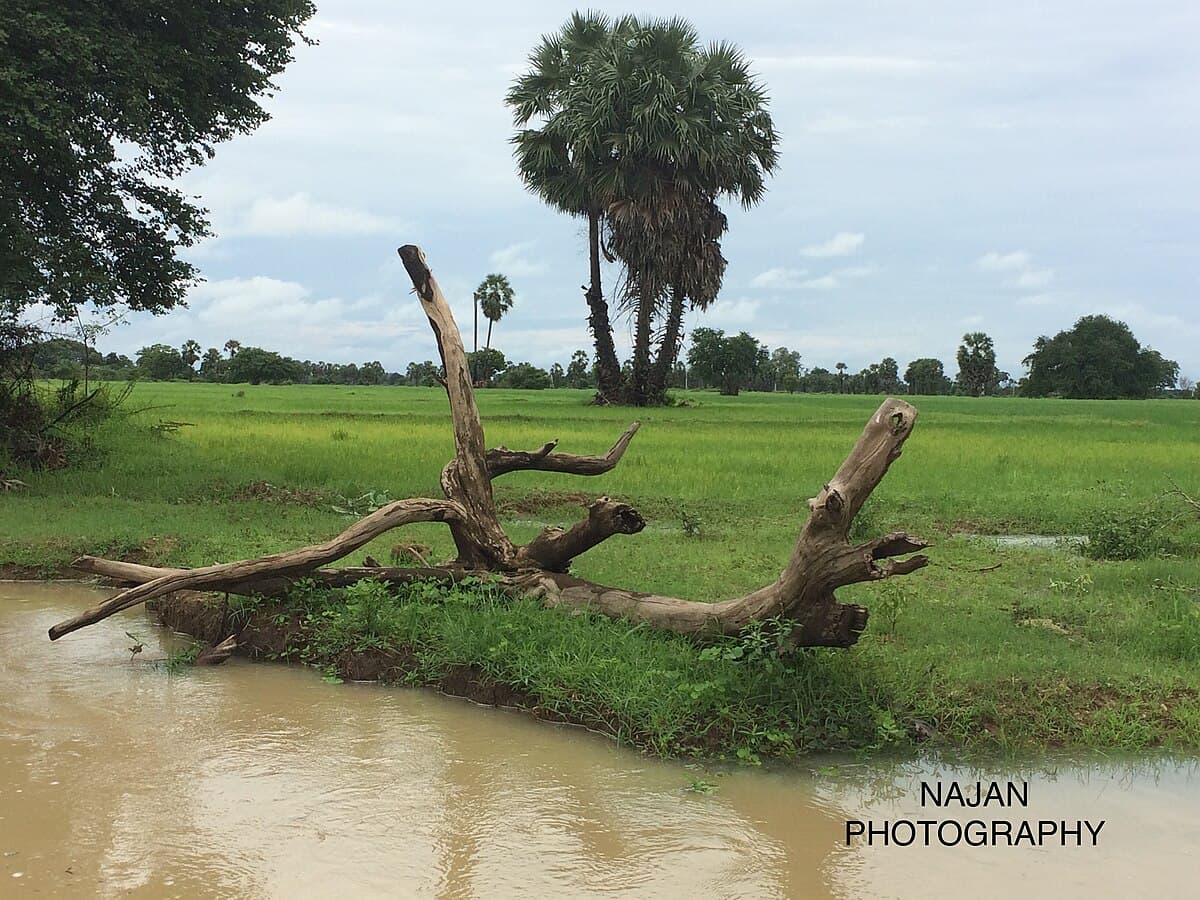
Under British rule, the Church Mission Society sent Rev. John Backus to Pallai in 1861, leading to the establishment of St. Andrew’s Church (dedicated 30 November 1895). In 1936, the British launched a colonization scheme to address overpopulation in the Jaffna Peninsula, resettling Tamil families onto cleared agricultural lands in the Vanni region, establishing the rice farming communities that would define Pachchilaipalli’s character.